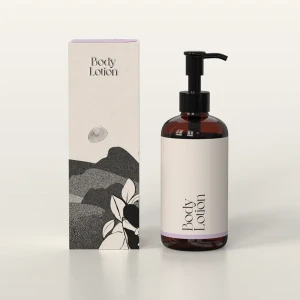
Why these Makeup Boxes work
- Built to exact product size to stop rattling and corner crush
- Clean folds and strong glue seams for fast packing
- Clear zones for barcodes, shade names, and batch codes
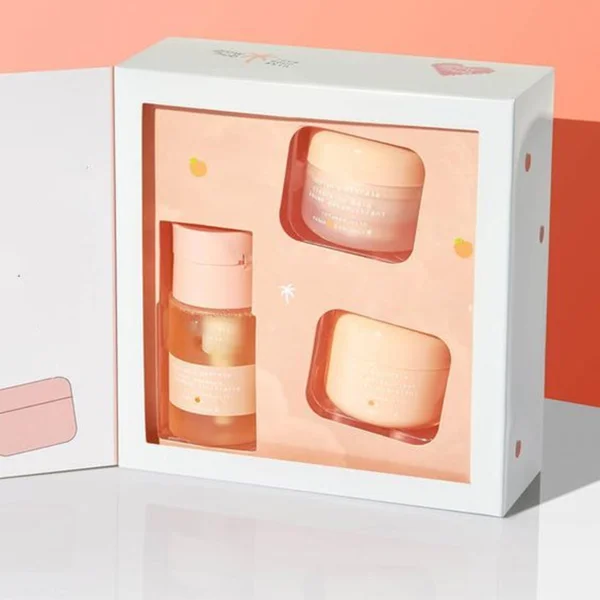
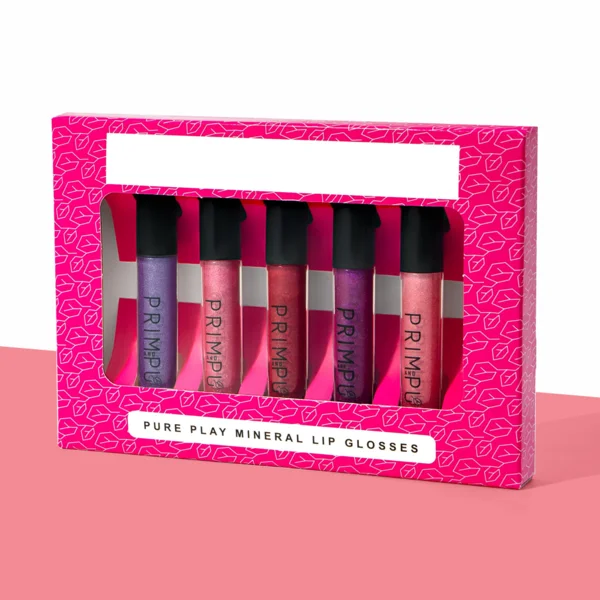
- Options for windows to show color or pan layout
- Tested designs for manual and automated lines
Materials for dependable makeup packaging
- SBS board (16–24 pt) for bright color and crisp type
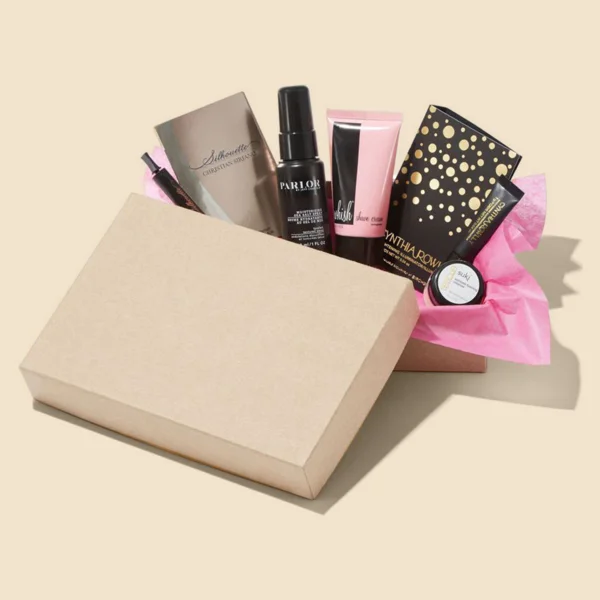
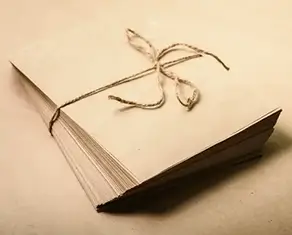
- Kraft board for a natural look
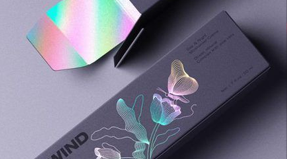
- Metallized board for reflective accents
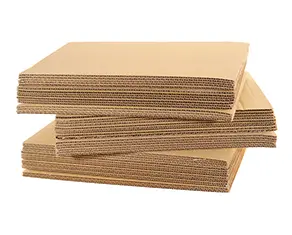
- E-flute micro-corrugate for heavier kits and gift sets
All boards are cut and scored for repeatable folds. This keeps makeup packaging neat from filler to shelf.
Structures and inserts
- Straight tuck and reverse tuck for most SKUs
- Auto-bottom (crash-lock) for speed and strength
- Lock-bottom for heavier glass or multi-pan palettes
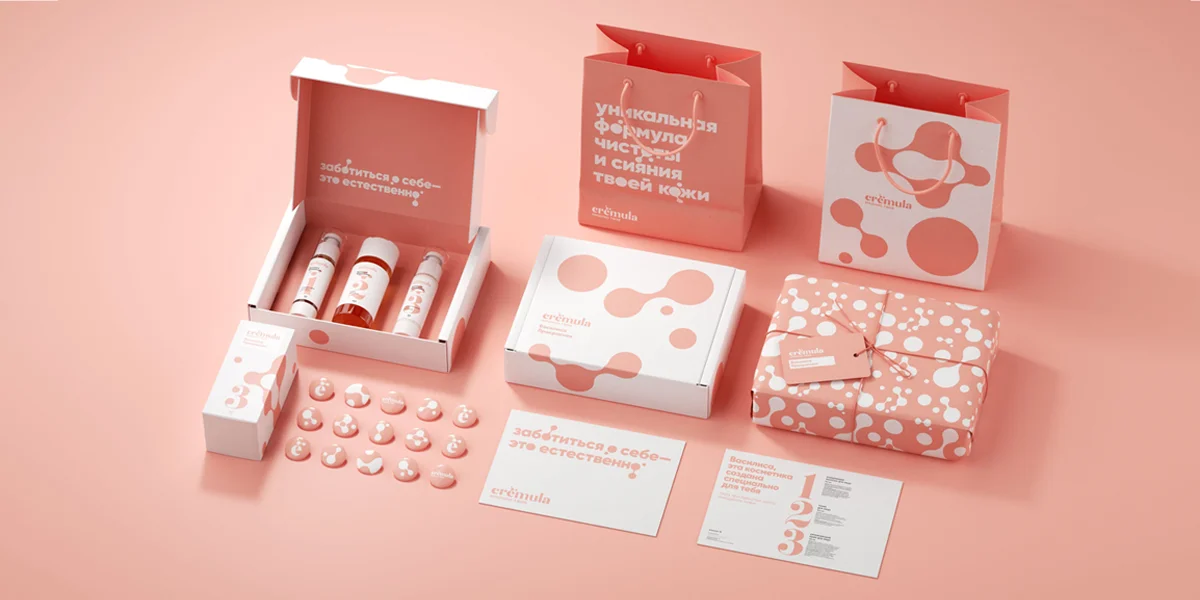
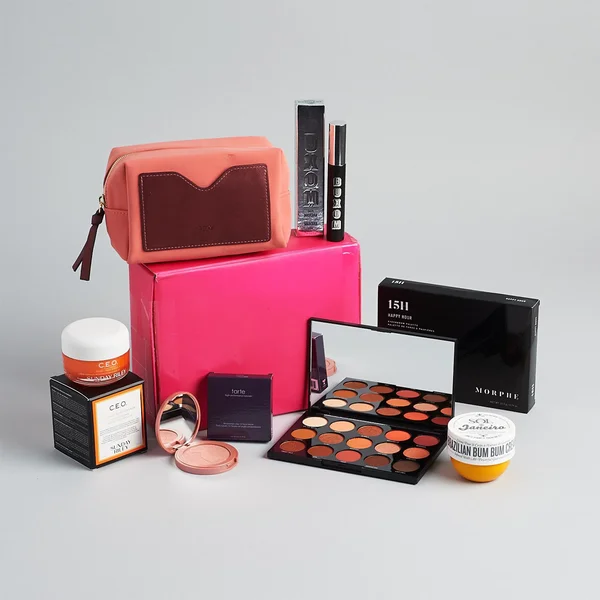
- Sleeves and slipcases for bundles and gift sets
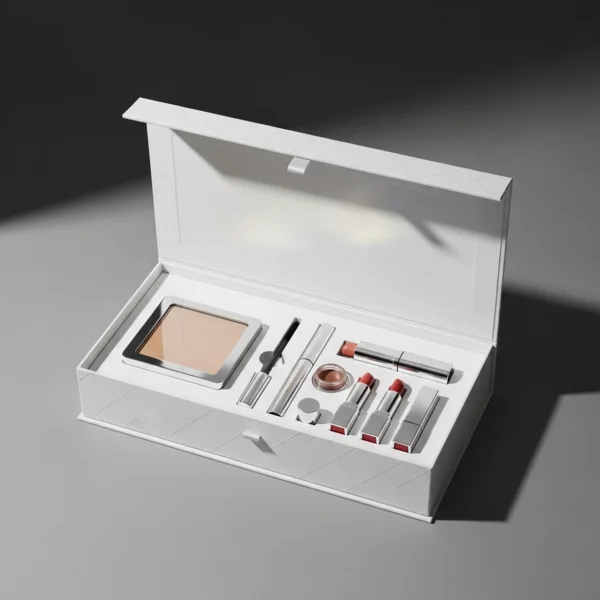
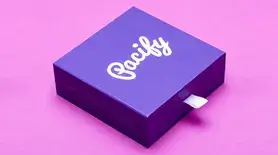
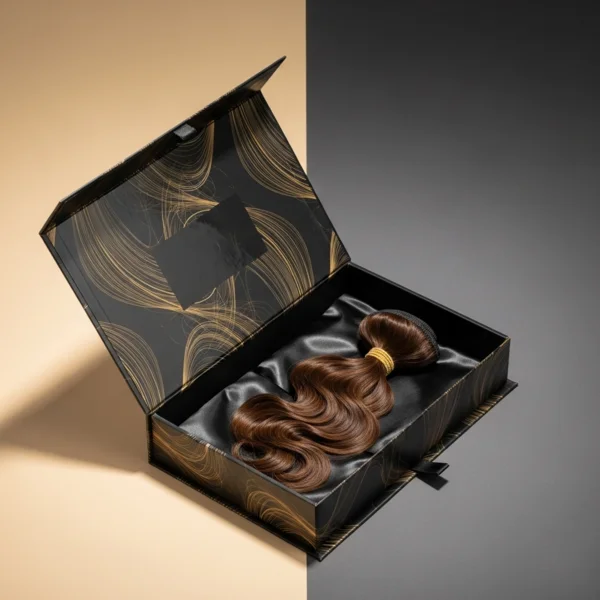
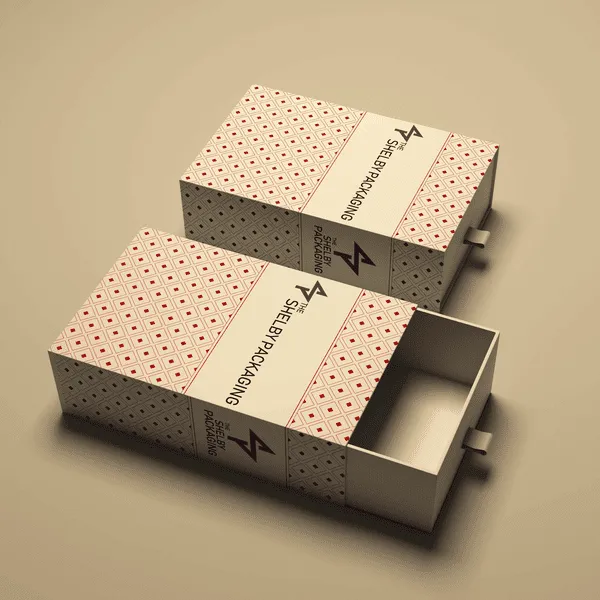
- Drawer (tray + sleeve) for premium unboxing
- Paperboard trays, collars, or foam to hold pans, droppers, and wands
These choices let brands standardize across lines while keeping a consistent look with Makeup Boxes.
Branding with precision
The team starts with a dieline based on product size and cap style. CAD samples are available for quick line tests. Interior print can add care steps, shade charts, or QR codes. Small layout moves—like placing the shade name on the top flap—speed picking in busy warehouses.
Print quality for retail photos and close-ups
Offset CMYK with optional Pantone spots keeps brand colors steady. Finelines and ingredient text remain readable at small sizes. Skin-tone gradients print smoothly. On metallized board, a white underprint locks neutrals. These steps make Makeup Boxes sharp on shelf and online.
Finishes customers notice
- Various types of trending laminations
- Aqueous or UV coatings
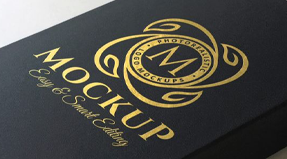
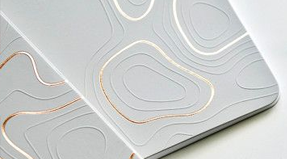
- Foil (gold, silver, rose, holographic) for logos or seals
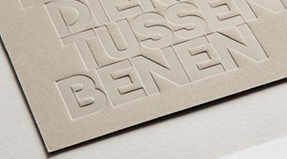
- Emboss/deboss for marks and shade badges
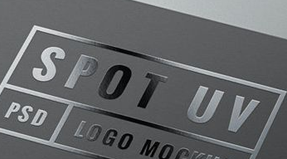
- Spot UV or raised UV for highlight areas
- Tamper tabs or labels for retail compliance
Each finish is matched to budget and use case so custom makeup packaging looks premium without waste.
Retail, e-commerce, and sets
Store aisles need edge visibility and clean color. Online orders need drop protection. TheBoxesSupplier provides inner cartons for retail and outer mailers for shipping. Sleeves, slipcases, and bands keep bundles together. This creates one system for custom boxes with logo that works across channels.
Simple, durable makeup box organizer styles
For kits and sets, hinged-lid or drawer formats act like a makeup box organizer, keeping pans, brushes, and minis in place. Paperboard dividers and labeled wells help customers find items fast. Brands can print care tips and step-by-step guides under the lid to reduce returns and support education.
Seasonal and promo-ready mystery makeup boxes
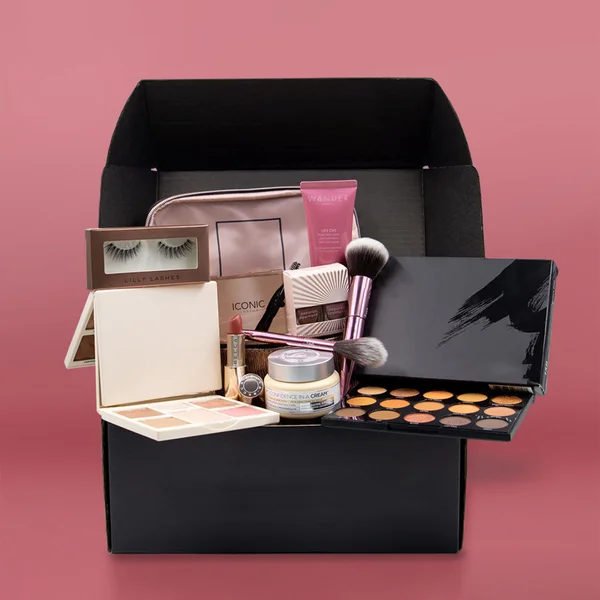
Perforated tear-strips, sealed sleeves, and barcode-hidden layouts support subscription and surprise programs. These mystery makeup boxes stay secure in transit, open cleanly on camera, and keep contents private until revealed. Interior print can include coupon codes and social prompts.
Space-efficient makeup box storage
Stackable shapes, reinforced corners, and readable spines help with backroom and warehouse handling. For DTC, outer mailers are sized to reduce void fill. Clear panel markings guide makeup box storage by shade, finish, or collection so teams pick faster and pack with fewer errors.
Sizes and file specs
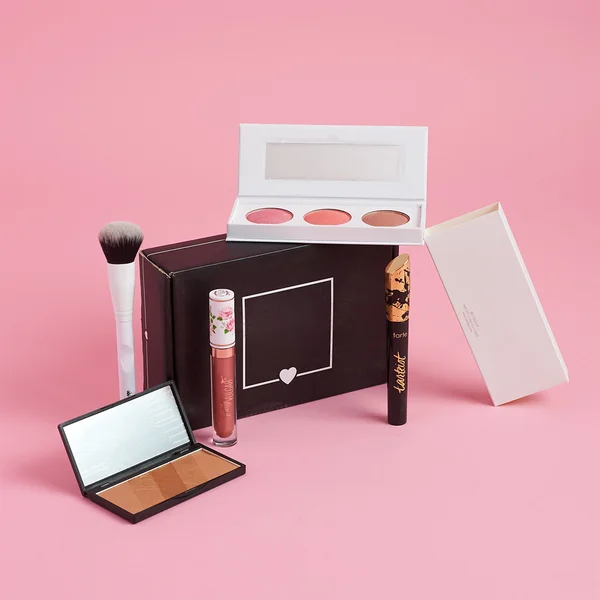
- Palettes: tailored to pan grid and magnet thickness
- Tubes and droppers: height and headspace set by cap and wiper
- Compacts: round or square footprints with trays
- Files: PDF/X-ready with outlined text; 300 dpi images
- Barcodes: UPC/EAN at 80–200% with quiet zones
These specs keep prepress smooth and reduce rework for Custom Makeup Boxes.
Low MOQs and scaling
Pilot runs start with low minimums for new shades or limited drops. Unit costs step down at 1k, 3k, 5k, and 10k+. Repeat jobs use stored plates and dielines to cut time. Pallet labels and ASN support are available for retailers. This makes scaling Makeup Boxes predictable.
Ordering steps
- Share product type (palette, compact, tube, dropper, kit) and size details.
- Receive a dieline and material suggestion.
- Send artwork; request a press-matched proof if needed.
- Approve, then move to print and finishing.
- Receive packed cartons on a clear schedule.
This process keeps Makeup Boxes moving from concept to launch.
Use cases
- Indie brand palette launch with soft-touch and foil logo
- Lipstick line needing tight-fit cartons and shade stickers
- Subscription kits using sealed mystery makeup boxes
- Retail tester boxes with extra-strong tabs
- DTC bundles using drawer-style makeup box organizer layouts
- Backroom systems that need labeled, stackable makeup box storage